whatsmobiles11@gmail.com

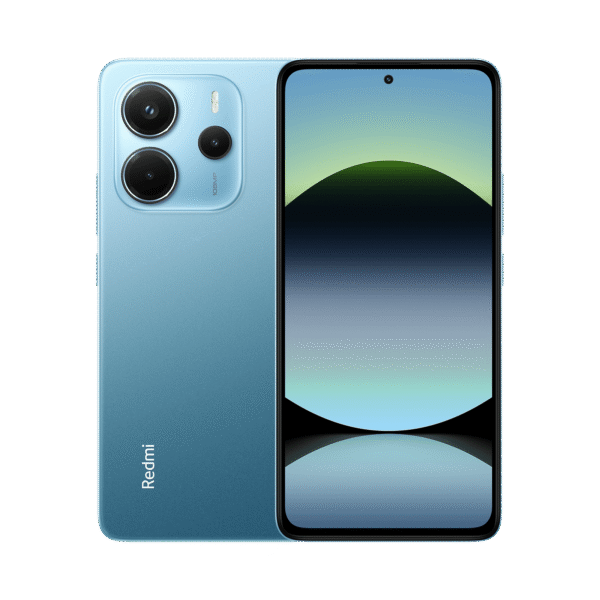
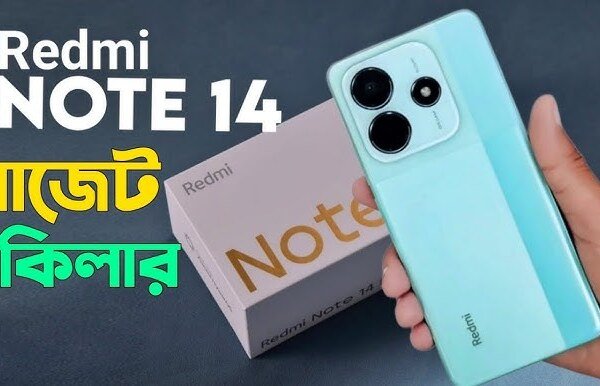
| PRICE IN BANGLADESH | 20,500 |
| Status | Available |
| 2G Bands | SIM1: GSM 850 / 900 / 1800 / 1900 SIM2: GSM 850 / 900 / 1800 / 1900 |
| 3G Bands | HSDPA 800 / 850 / 900 / 1700(AWS) / 1900 / 2100 |
| 4G Bands | LTE band 1(2100), 3(1800), 7(2600), 8(900), 20(800) |
| 5G BANDS | 5G SA/NSA |
| Dimensions | 161.4 x 75.3 x 8.5 mm |
| Weight | 223 g |
| Sim | Dual Sim, Dual Standby (Nano-SIM) |
| Primary | 108MP (primary) + 2MP (macro) + 2MP (depth) |
| Features | Leica lens, HDR, panorama, Video (8K@24fps (HDR), 4K@24/30/60fps (HDR10+, 10-bit Dolby Vision HDR, 10-bit LOG), 1080p@30/60/120/240/960fps, 720p@1920fps, gyro-EIS) |
| Secondary | 16 MP, (wide), HDR, panorama, Video (4K@30/60fps, 1080p@30/60fps, gyro-EIS) |
| RAM and ROM Capacities | 128GB, Built-in, 8GB RAM |
| Type | LTPO AMOLED Capacitive Touchscreen, 68B Colors, Multitouch |
| Size | 6.67-inch FHD+ AMOLED, 120Hz refresh rate |
| Resolution | 1440 x 3200 Pixels (~521 PPI) Protection Xiaomi Longjing Glass Extra Features 120Hz, Dolby Vision, HDR10+, 3000 nits (peak) |
| OS | Android 14 OS UI HyperOS |
| Chipset | MediaTek Helio G99 Ultra (6nm) |
| CPU | Octa-core (1 x 3.3 GHz Cortex-X4 + 5 x 3.2 GHz Cortex-A720 + 2 x 2.3 GHz Cortex-A520) |
| GPU | Adreno 750 |
| WLAN | Wi-Fi 802.11 a/b/g/n/ac/6e/7, dual-band, Wi-Fi Direct |
| Bluetooth | v5.4 with A2DP, LE, aptX HD, aptX Adaptive |
| GPS | Yes + GPS (L1+L5), GLONASS (G1), BDS (B1I+B1c+B2a), GALILEO (E1+E5a), QZSS (L1+L5), NavIC (L5) |
| NFC | Yes Infrared Yes Data GPRS, Edge, 3G (HSPA 42.2/5.76 Mbp), LTE-A, 5G capable |
| Radio | No |
| USB | USB Type-C 3.2 Gen 2, OTG |
| Loudspeaker | YES |
| 3.5mm jack | YES |
| SENSORS | Accelerometer, Barometer, color spectrum, Compass, Fingerprint (under display, optical),, Gyro, Virtual proximity sensing Audio 24-bit/192kHz audio, Tuned by Harman Kardon, Speaker Phone Browser HTML5 Messaging SMS(threaded view), MMS, Email, Push Mail, IM Games Built-in + Downloadable Torch Yes Extra IP68 dust/water resistant (up to 1.5m for 30 min), Glass front, aluminum frame or titanium frame, glass back, Photo/video editor, Document viewer |
| COLORS | Black, Silver, Titanium, Green |
| Type | 5500mAh |
| Others | Fast charging (33W) |
The overall rating is based on review by our experts
In the bustling tech scene of Bangladesh, where smartphones need to juggle everything from endless social media scrolls to quick business deals on the go, the Redmi Note 14 has emerged as a real crowd-pleaser. Launched globally in January 2025, this Xiaomi powerhouse hits the sweet spot for value-conscious folks—think students hustling through exams in Dhaka, small shop owners in Chittagong tracking inventory, or tech-savvy commuters in Sylhet craving smooth performance without the hefty price tag.
Priced competitively, the Redmi Note 14 specs in Bangladesh promise flagship vibes on a budget: a vibrant 6.67-inch AMOLED display, a beastly 108MP camera for those Insta-worthy shots, and a 5500mAh battery that won’t quit before you do. But what sets it apart? It’s not just the hardware; it’s the thoughtful features like AI-driven photo edits and HyperOS smarts that make daily life easier. If you’re eyeing the Redmi Note 14 features or wondering if it outshines rivals like the Samsung Galaxy A15, stick around. We’ll break it all down, from unboxing vibes to real-world tests, so you can decide if this is your next pocket upgrade.
Let’s cut to the chase—affordability is king in Bangladesh’s smartphone market, and the Redmi Note 14 delivers. As of December 2025, the official Redmi Note 14 price in Bangladesh starts at BDT 20,999 for the 6GB RAM + 128GB storage variant, climbing to BDT 23,999 for the 8GB RAM + 256GB option. That’s about $175 USD for the base model, making it a steal compared to pricier imports.
Here’s a quick table to compare:
| Variant | Official Price (BDT) | Unofficial/Online Deals (BDT) | Ideal For |
|---|---|---|---|
| 6GB + 128GB | 20,999 | 19,500 – 20,500 | Everyday users, students |
| 8GB + 128GB | 22,499 | 21,000 – 22,000 | Multitaskers |
| 8GB + 256GB | 23,999 | 22,500 – 23,500 | Content creators, gamers |
Prices can dip during festivals like Eid or Pohela Boishakh, with retailers like Daraz and Pickaboo slashing up to BDT 1,000. Pro tip: Factor in VAT (15%) for the final bill, and always snag the official warranty—it’s a lifesaver for those unexpected drops.
Local taxes, import duties, and dollar rates play havoc, especially in border towns like Benapole. Online hubs like MobileDokan often list unofficial imports cheaper, but they might skimp on after-sales support. For the best bang, check weekly updates on sites like GSMArena.
No fluff—just the facts. The Redmi Note 14 packs punchy specs that punch above its weight class. Here’s a snapshot:
These aren’t just numbers—they translate to real perks, like lag-free PUBG sessions or crystal-clear video calls during load-shedding blackouts.
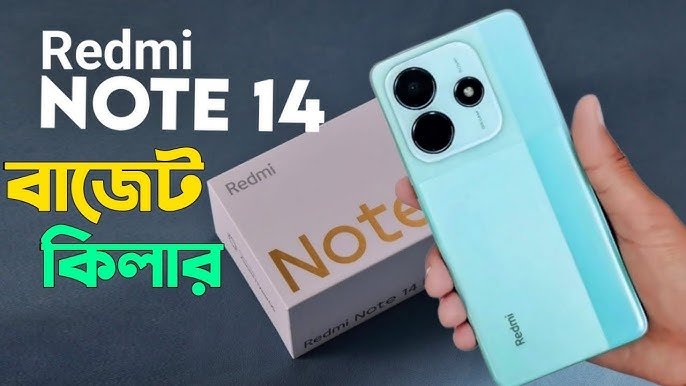
First impressions? The Redmi Note 14 feels premium without the premium price. At 196.5g and 8.16mm thin, it’s a featherweight champ that slips into your jeans pocket like it belongs there. The matte plastic back resists fingerprints better than glossy rivals, and the flat frame with rounded edges hugs your hand during long Dhaka traffic jams.
Bangladesh’s humid vibes and dusty streets demand toughness, and the Note 14 steps up:
Users in Sylhet rave about its grip in rainy seasons, calling it “a tank in trendy clothes.”
Swipe through TikTok or binge Netflix on the go? The 6.67-inch AMOLED screen is your new bestie. With 120Hz fluidity, colors pop like fresh hilsa from the Padma River—deep blacks, 100% DCI-P3 gamut, and HDR10+ support make movies mesmerizing.
Compared to the Vivo Y28’s IPS LCD, this AMOLED edges out with richer contrasts—perfect for photo editing on the fly.
Don’t let the mid-range tag fool you; the MediaTek Helio G99-Ultra (6nm) cranks through tasks like a Dhaka rickshaw in rush hour. Paired with up to 8GB RAM, it multitasks WhatsApp, YouTube, and Excel sheets seamlessly. Gaming? PUBG at high settings hits 50-60 FPS without throttling.
From AnTuTu scores around 450,000 to Geekbench 6 (single-core ~750, multi ~2,200), it’s no Snapdragon slayer but shines for the price. In Bangladesh heat, it stays cool thanks to smart thermal management—users report zero stutters during 4-hour Zoom calls.
HyperOS 2.0 adds AI boosts, like predictive app loading, making it feel snappier than the Note 13’s G85 chip.
Snap a bustling New Market scene or a family iftar—the 108MP main sensor (f/1.7, 1/1.67″) captures details that pop. AI scene detection auto-tweaks for golden-hour glows, while the 2MP macro nails close-ups of street food textures.
Night mode rivals the Infinix Note 40, per MobileDokan reviews. Drawback? No ultrawide, but for BDT 21K, it’s a creative toolkit.
Dual-video mode lets you record front-and-back simultaneously—great for vloggers. AI Erase zaps photobombers like magic.
5500mAh means no more frantic hunts for sockets mid-commute. Moderate use (socials, calls, light browsing) stretches to 1.5-2 days; heavy gaming? Still 7-8 hours screen-on.
33W turbo hits 50% in 30 minutes—included charger is a win. Xiaomi’s Smart Engine preserves 80% health after 1,000 cycles. Vs. Galaxy A15’s 25W, it’s quicker for busy bees.
In tests, it outlasts the Vivo Y28 by 20%, powering through Eid shopping sprees.
Out of the box, Android 14 with HyperOS feels clean—no bloat like older MIs. Customizable themes, split-screen multitasking, and Google Gemini integration boost productivity for small biz owners.
Xiaomi commits to 3 major OS updates (up to Android 17) and 4 years of security patches—solid for a budget buy. Gesture nav and always-on display add polish.
4G LTE zips through bKash transfers; Bluetooth 5.3 pairs earbuds glitch-free. The IR blaster turns your phone into a universal remote—handy for AC controls in humid summers.
Sensors? Side fingerprint (unlock in 0.2s), accelerometer for step tracking, and dual Dolby Atmos speakers for immersive tunes.
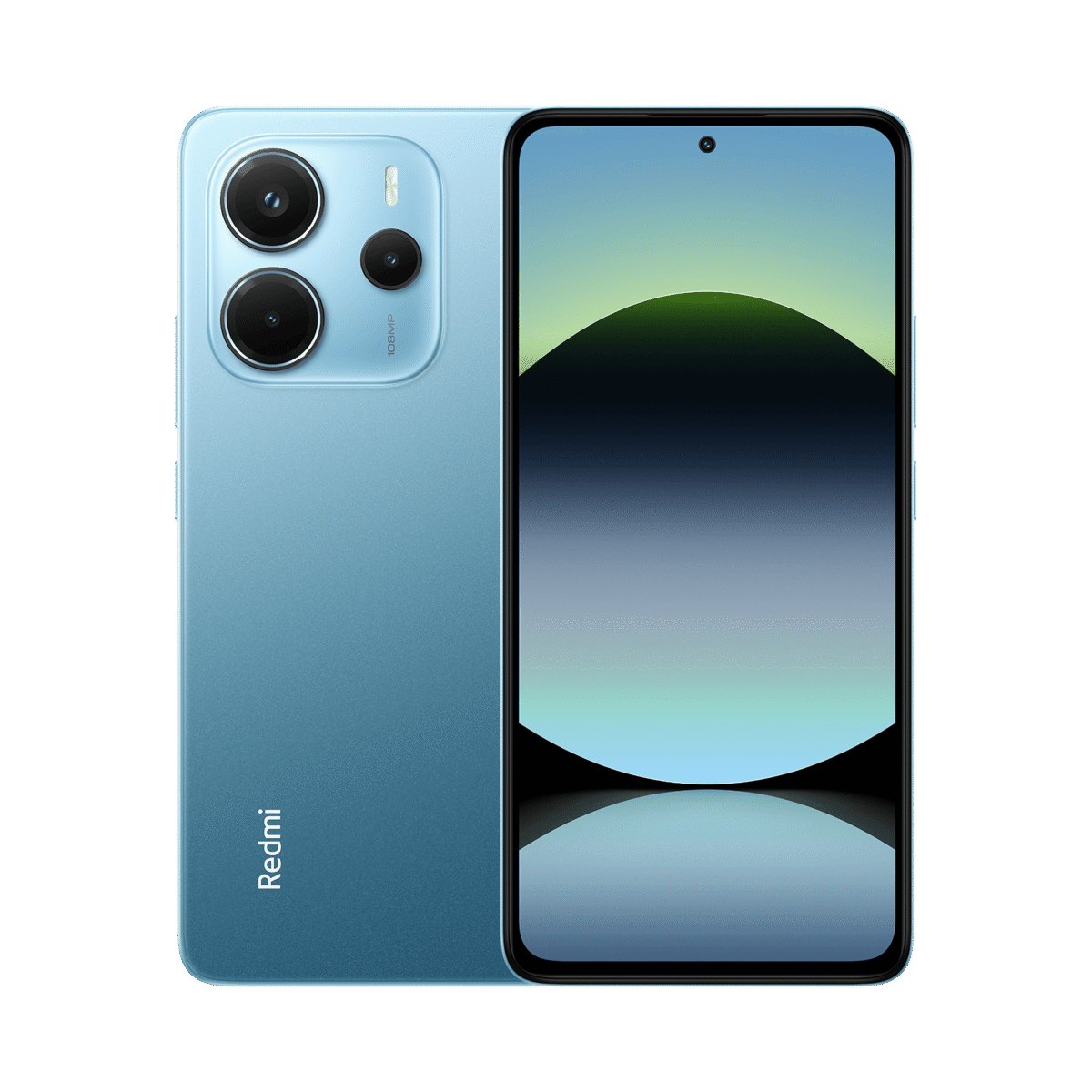
In a market flooded with options, how does the Note 14 stack up? Let’s table it against the Samsung Galaxy A16 and Vivo Y28—common picks for Bangladeshi buyers.
| Feature | Redmi Note 14 | Samsung Galaxy A16 | Vivo Y28 |
|---|---|---|---|
| Price (BDT) | 20,999 – 23,999 | 22,000 – 25,000 | 19,999 – 22,999 |
| Display | 6.67″ AMOLED, 120Hz | 6.7″ Super AMOLED, 90Hz | 6.56″ IPS LCD, 90Hz |
| Processor | Helio G99-Ultra | Exynos 1330 | Snapdragon 685 |
| Camera | 108MP + 2+2MP | 50MP + 5+2MP | 50MP + 2MP |
| Battery | 5500mAh, 33W | 5000mAh, 25W | 5000mAh, 44W |
| Build | IP54, Gorilla Glass 5 | IP54 | IP54 |
Samsung’s One UI is buttery, but the Note 14’s superior camera and battery win for photographers and heavy users. A16 edges in software support (4 years OS), but at similar prices, Note 14’s display fluidity seals it.
Vivo’s fun UI and faster charging tempt, but Note 14’s AMOLED and megapixel muscle make it the creator’s choice. For selfies, they’re neck-and-neck.
Overall, the Note 14 leads in bang-for-buck, per GizNext alternatives.
From Daraz comments to Facebook groups, the buzz is positive. A Chittagong seller shared, “Battery lasts through market rushes—sold three already!” Dhaka students love the camera: “Selfies beat my old Realme.” Gripes? Low-light shots need tweaks, echoing GSMArena user scores of 4.2/5.
On Reddit, expats praise its heat handling: “No throttling in 35°C humidity.” Average rating: 4.3/5 across 500+ reviews.
Hunt smart—start with official Xiaomi stores in Bashundhara City (Dhaka) for authenticity. Online? Daraz for flash sales, Pickaboo for EMI options.
Check IMEI on BDTRA site post-purchase. EMI via bKash? Starts at BDT 1,500/month.
For small business owners juggling orders via WhatsApp or tech enthusiasts modding games, its balance of power and price is unmatched. It’s not just a phone; it’s a sidekick for Bangladesh’s on-the-move vibe.
The base 6GB+128GB is BDT 20,999, while 8GB+256GB hits BDT 23,999—check Daraz for deals under BDT 20,500.
No, this 4G model doesn’t; opt for the Note 14 5G variant at BDT 28,000+ if needed.
Expect 1.5-2 days moderate use with the 5500mAh cell—33W charging refuels in under 80 minutes.
The 108MP sensor with Night mode handles it decently, though not flagship-level; AI aids in edits.
Authorized spots like Xiaomi stores, Daraz, or MobileDokan ensure 12-month coverage.
Upgraded processor (G99 vs G85), bigger battery (5500 vs 5000mAh), and better display—worth the switch.
Midnight Black, Ocean Blue, Lime Green, and Sand Gold—Lime Green flies off shelves.
Absolutely; Helio G99-Ultra runs PUBG smoothly at high settings, with cooling to beat the heat.
Wrapping it up, the Redmi Note 14 isn’t just another mid-ranger; it’s a smart, sturdy companion tailored for Bangladesh’s vibrant chaos. At BDT 20,999, you get a camera that captures life’s colors, a battery that outlasts your hustle, and performance that keeps pace. Whether outpacing the Galaxy A16 or Vivo Y28, it nails value without shortcuts.
Ready to level up? Head to your nearest Xiaomi outlet or snag a deal on Daraz. For the latest drops on Redmi Note 14 features and more, subscribe to our newsletter—exclusive tips for Bangladeshi tech lovers await!
OTHERS; Redmi 14C Price in Bangladesh 2026 & Specifications, Redmi Note 13 Price in Bangladesh 2026 & Specifications.